+91 75070 80601
ScanLab Diagnostics: Your Trusted Family Dentist in Marketyard, Pune | Bringing a Touch of Care to Every Smile in Marketyard, Pune.

Dental Cleaning Treatment in Marketyard for Clean Teeth and Healthy Gums

Need Dental Cleaning Treatment in Pune? We Can Help

Plaque is a sticky layer of germs that forms on your teeth every day. Your toothbrush cannot reach every corner, so some plaque stays between your teeth and near your gums. In a few days, it turns hard and becomes tartar. Tartar can cause bleeding gums, bad breath and cavities.

At Scanlab Dental, our Dental Cleaning Treatment in Marketyard removes plaque, tartar and stains from your teeth. We use a special cleaning tool and small hand tools, and then we polish your teeth. We also check your mouth for any early problems.

Feeling a little scared of the dentist is normal. Our dentists explain every step before they start and go slowly if you need them to. Most people find the cleaning quick and easy.
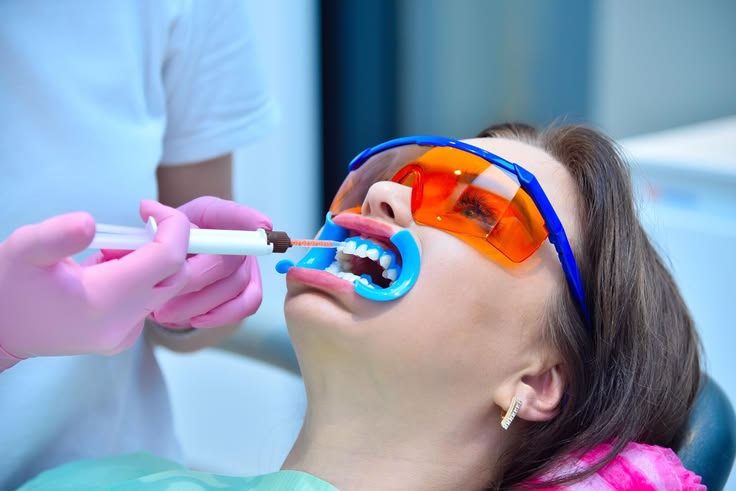
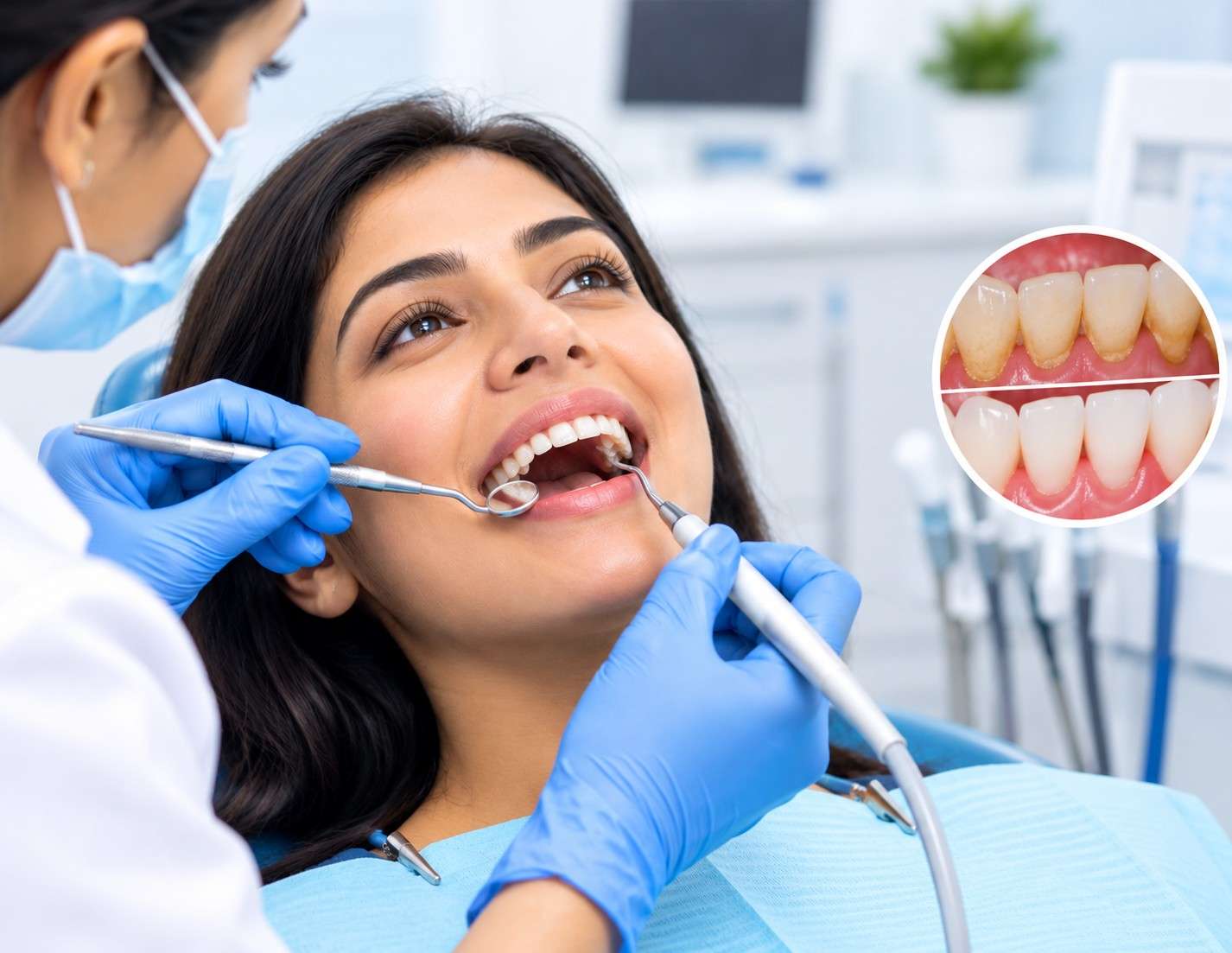
Dental cleaning treatment at Scanlab Diagnostics

What Is Dental Cleaning and How Does It Work?

Dental cleaning means a dentist removes hard deposits from your teeth. It is also called scaling and polishing. It is one of the easiest ways to prevent gum disease.

First, the dentist uses an ultrasonic scaler. This tool gently vibrates and sprays water to break up the tartar. Then small hand tools clean the tiny spots that are left.

Next, the teeth are polished with a soft paste. This makes them smooth and removes light stains from tea or coffee. Smooth teeth also make it harder for plaque to stick again.

Some people have deep gaps, called pockets, between their gums and teeth. For them, the dentist may suggest deep cleaning. This cleans the tooth roots below the gums and helps the gums heal.

Professional dental cleaning treatment

Why Do You Need Dental Cleaning?

Tartar usually does not hurt in the beginning. But slowly, it can damage your gums and the bone that holds your teeth. Regular cleaning helps stop this early.

  • Healthy gums: Cleaning reduces swelling and bleeding. It helps stop gum disease from getting worse.
  • Fresh breath: Germs in tartar can cause bad breath. Removing them helps your mouth smell fresh.
  • Finds problems early: The dentist can spot cavities or gum problems early. Early problems are easier to treat.
  • Cleaner smile: Polishing removes stains from tea, coffee, paan and smoking.
  • Stronger teeth: Healthy gums help hold your teeth firmly in place for longer.
  • Better body health: Gum disease is linked with health problems like diabetes and heart disease.

Most people need a cleaning once every six months. If you have gum disease, diabetes or braces, your dentist may ask you to come more often.

Types of Dental Cleaning

Choose the right dental cleaning treatment for healthier teeth and gums.

01

Routine Cleaning

This is a normal cleaning for people with healthy gums. It includes scaling and polishing and is usually done twice a year.

02

Deep Cleaning

Also called scaling and root planing, this is needed when tartar has gone below the gums. The roots are cleaned, and numbing medicine may be used so you feel comfortable.

03

Gross Debridement

This is used when there is a lot of tartar on the teeth. The dentist removes most of it first, then checks your mouth properly and plans more cleaning if needed.

04

Periodontal Maintenance

This is for people who were treated for gum disease before. These are regular follow-up cleanings, often every 3 to 4 months.

Not sure which treatment you need? Book a visit for Dental Cleaning Treatment in Marketyard, and our dentist will check your gums and guide you.

Dental Cleaning Procedure

1

Mouth Check-Up

The dentist checks your teeth and gums carefully. An X-ray may be advised if there could be hidden problems.

2

Ultrasonic Cleaning

A tool with a water spray removes the tartar. You may feel light vibration and hear a buzzing sound.

3

Hand Cleaning

Small hand tools clean between your teeth and near your gums. This removes any tartar left behind.

4

Polishing

A soft rubber cup and polishing paste make your teeth smooth. This also removes light stains.

5

Flossing and Rinsing

The dentist cleans between your teeth with floss and rinses your mouth. Fluoride may be applied to help protect against cavities.

6

Tips for Home

You get simple tips on brushing, flossing and food. Your next visit date is also planned.

Book Your Dental Cleaning Today

One simple visit can give you a cleaner, healthier mouth. We offer gentle and careful Dental Cleaning Treatment in Marketyard and explain every step to you.

It does not matter if it is your first cleaning or a regular check-up. Call us or fill in the form to book your Dental Cleaning Treatment in Pune at Scanlab Diagnostics.

Book an Appointment Call Now

Frequently Asked Questions

1. Does dental cleaning hurt?

Most people feel only light vibration or pressure. If your gums are swollen or your teeth are sensitive, you may feel a little discomfort. The dentist can use numbing gel or medicine if needed.

2. How long does it take, and how many visits are needed?

A normal cleaning takes about 30 to 60 minutes and is usually done in one visit. Deep cleaning may need two or more visits.

3. What should I do after the cleaning?

Your teeth or gums may feel a little sensitive for a day or two, and this is normal. Use a soft toothbrush and avoid very hot or cold food for a short time. Try not to smoke or drink tea or coffee for a few hours.

4. How long do the results last?

This depends on how well you clean your teeth at home. Brushing twice a day, flossing daily and visiting the dentist every six months help keep your teeth and gums healthy. Plaque will slowly come back over time, so regular cleaning is important.

5. How much does dental cleaning cost?

The cost depends on the type of cleaning and how much tartar you have. Please visit us for a consultation, and the dentist will tell you the cost before starting.

6. What should I tell the dentist before cleaning?

Tell your dentist if you have diabetes, heart problems or bleeding problems, or if you are pregnant. Also tell them about any medicines you take, especially blood thinners, so your treatment is planned safely.