+91 75070 80601
ScanLab Diagnostics: Your Trusted Family Dentist in Marketyard, Pune | Bringing a Touch of Care to Every Smile in Marketyard, Pune.

Dental Filling Treatment in Marketyard – Restore Your Teeth with Gentle, Expert Care

Enquire on WhatsApp Call +91 75070 80601

Trusted Dental Filling Treatment in Pune for Strong, Healthy Teeth

A small cavity often starts quietly, with a little sensitivity to sweets or a bit of food that keeps getting stuck. If it isn't treated, the tooth decay can spread deeper and cause pain, infection or even tooth loss.

At Scanlab Dental, we offer Dental Filling Treatment in Marketyard to remove decay early and rebuild the tooth's natural shape. Our dentists use modern, tooth-coloured materials and careful techniques to protect as much of your healthy tooth as possible.

You don't need to worry about the visit. We explain every step before we begin, use local anaesthesia when needed, and make sure you are comfortable throughout the treatment.
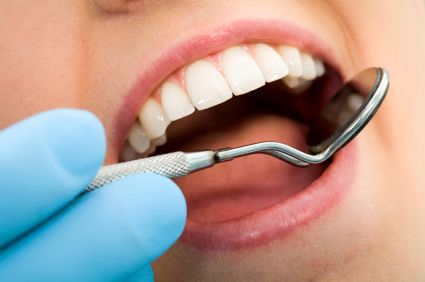

Add dental filling treatment image here

What Is Dental Filling and How Does It Work?

A dental filling is a simple treatment that repairs a tooth damaged by decay, cracks or wear. The dentist removes the damaged part and fills the space with a safe, durable material.

Once the decay is removed, the filling seals the tooth so bacteria cannot enter again. This helps stop the cavity from growing deeper towards the nerve (pulp).

The filling also restores the tooth's shape and biting surface. This lets you chew comfortably and keeps your bite balanced.

In my years of practice, I have seen that the earlier a cavity is filled, the smaller and simpler the treatment usually is. Regular check-ups help catch decay before it causes pain.

Dental filling treatment for tooth decay

Why Do You Need Dental Filling?

Tooth decay does not heal on its own. Once a cavity forms, a filling is often the best way to stop the damage and save the natural tooth. You may need a filling if you notice:

  • Sensitivity: A sharp twinge when you eat something sweet, hot or cold.
  • Visible holes or dark spots: Brown, black or chalky white patches on the tooth surface.
  • Food trapping: Food regularly getting stuck between or inside certain teeth.
  • Chipped or cracked teeth: Small breaks caused by injury, biting hard food or grinding.
  • Rough edges: A tooth that feels sharp or uneven against your tongue.
  • Worn or old fillings: Existing fillings that have cracked, loosened or developed new decay around them.

Some cavities cause no symptoms at all in the early stage. That is why a dental examination and X-ray are the most reliable ways to know whether you need a filling.

DENTAL CARE

Types of Dental Filling

Different filling materials help restore damaged teeth. The right choice depends on your dental needs and the location and size of the cavity.

Composite (Tooth-Coloured) Fillings

Made from a resin material matched to the shade of your natural teeth. Ideal for front and back teeth when appearance matters.

Glass Ionomer Cement (GIC) Fillings

These fillings release a small amount of fluoride, which helps protect the tooth. Often used for children's teeth and areas near the gum line.

Silver Amalgam Fillings

A strong metal filling that holds up well to heavy chewing forces on back teeth. Less commonly chosen today because of its silver colour.

Ceramic Inlays and Onlays

Custom-made, tooth-coloured restorations for larger cavities where a regular filling may not be strong enough. They usually need two visits.

The right material depends on the size and location of the cavity, your bite and your budget. Book a consultation for Dental Filling Treatment in Marketyard, and our dentist will help you choose the best option for your tooth.

Dental Filling Procedure

1

Examination and X-ray

The dentist checks your teeth and may take an X-ray to see how deep the decay goes. This helps plan the right treatment.

2

Numbing the Area

For most cavities, local anaesthesia is given to numb the tooth. Very small cavities may not need it.

3

Removing the Decay

The decayed part is gently removed using dental instruments. Only the damaged area is cleaned, so healthy tooth structure is preserved.

4

Cleaning and Preparing the Tooth

The cavity is cleaned to remove bacteria and debris. For deep cavities, a protective liner may be placed to shield the nerve.

5

Placing the Filling

The filling material is applied in layers and hardened with a special light (for composite fillings). It is shaped to match your natural tooth.

6

Polishing and Bite Check

The dentist adjusts your bite so the tooth doesn't feel high. The filling is then polished to a smooth, natural finish.

Protect Your Smile Before a Small Cavity Becomes a Big Problem

Early treatment is usually simpler, quicker and more affordable. If you notice sensitivity, pain or a visible spot on your tooth, book your Dental Filling Treatment in Marketyard at Scanlab Diagnostics today.

Our dentists provide careful, patient-friendly Dental Filling Treatment in Pune, with clear explanations at every step. Call us or fill in the form to schedule your consultation.

Book an Appointment

FAQs

Q1. Is getting a dental filling painful?

Most patients feel little to no discomfort because the area is numbed with local anaesthesia. You may feel mild pressure or vibration during the procedure, and some sensitivity for a few days afterwards is normal.

Q2. How long does a dental filling take, and how many sittings are needed?

A simple composite or GIC filling usually takes 30 to 60 minutes and is done in a single sitting. Larger restorations such as ceramic inlays or onlays generally need two visits.

Q3. What care should I take after a filling?

With composite fillings, you can eat once the numbness wears off, so you don't bite your cheek or tongue. For silver amalgam fillings, avoid chewing hard food on that side for about 24 hours. Continue brushing twice a day and flossing gently.

Q4. How long do dental fillings last?

With good care, fillings can last many years. Composite fillings often last 5 to 10 years or more, and amalgam fillings may last longer. Your habits, bite and oral hygiene affect how long they last, so regular check-ups are important.

Q5. How much does a dental filling cost?

The cost depends on the type of material, the size of the cavity and the number of teeth involved. We recommend visiting the clinic for an examination so the dentist can give you an accurate estimate.

Q6. Are there any precautions I should take after a filling?

Avoid biting on very hard items such as ice, bones or pen caps, and limit sugary and sticky foods. If you notice persistent pain, a high bite or a cracked filling, contact your dentist promptly. Very deep cavities may sometimes need further treatment such as a root canal.